
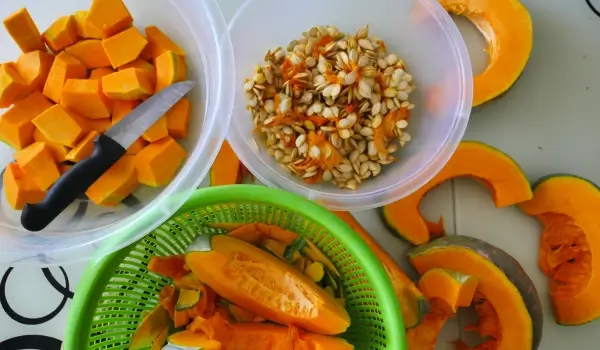
Pumpkin is far more than a seasonal decoration or the star of autumn desserts. This vibrant orange squash is packed with nutrients that support your health in numerous ways. Enjoyed in savory dishes, soups, or baked goods, pumpkin is a delicious and nourishing addition to your diet. Here is a look at the health benefits of eating pumpkin.
Rich in Vitamins and Minerals
Pumpkin is loaded with valuable nutrients. It is especially high in vitamin A, thanks to its beta-carotene, the pigment that gives it that bright orange color. It also provides vitamin C, potassium, and other minerals. This nutrient density makes pumpkin a smart choice for supporting overall health with every serving.
Supports Eye Health
The beta-carotene in pumpkin, which the body converts to vitamin A, plays an important role in eye health. Vitamin A is essential for good vision, and pumpkin is one of the tastier ways to work more of it into your meals. A diet rich in these nutrients supports healthy eyes over time.
Good for Your Heart
Pumpkin contains fiber, potassium, and antioxidants, all of which support cardiovascular health as part of a balanced diet. Fiber supports healthy digestion and can help maintain healthy cholesterol levels, while potassium plays a role in supporting normal blood pressure. Adding pumpkin to your meals is a heart-friendly choice.
High in Fiber, Low in Calories
Pumpkin is filling without being heavy. It is relatively low in calories yet high in fiber, which helps you feel satisfied. That combination makes it a great option for anyone looking to eat nourishing, satisfying food as part of a balanced approach to eating.
Do Not Forget the Seeds
Pumpkin seeds are a nutritional bonus. They offer protein, healthy fats, and minerals like magnesium and zinc. Roasted as a snack or sprinkled on salads and soups, they add crunch and nutrition, so there is no reason to toss them out.
A Final Thought
Pumpkin is a tasty, versatile food with plenty of nutritional value, from vitamins and fiber to those nutritious seeds. Work it into your meals throughout the season and beyond. For dietary advice tailored to your needs, consult a healthcare professional.